


08.06.2025
The Modern Rental Market Demands More Than Just a Clean Renovation.
Tenants are looking for tech solutions that will make their lives more comfortable, while owners aim to protect their investments and increase profitability. The automation of apartments and houses for rent is no longer a luxury but a necessary tool for gaining a competitive edge.
As the CTO of Futurenity with seven years of experience designing smart home systems, I’ve observed a growing trend of integrating automation technologies into rental properties. Let’s explore the benefits this brings to owners and how to approach implementation correctly.
Why Is a Smart Home Critical for the Rental Business?
Proper home automation unlocks impressive opportunities for property owners:
- Remote climate control saves up to 30% on utility bills. Imagine: the apartment is vacant, but you can remotely adjust the heating to prevent freezing in winter or activate a comfortable mode before new guests arrive.
- Wi-Fi outlets and water leak sensors prevent potential accidents even when you're abroad. A smart home system reacts instantly to leaks, shutting off the water before serious damage occurs.
- Smart locks and intercoms with Yandex Alice allow renting without physical keys, controlling access, and enhancing property security. Forget about lost keys or needing to meet every tenant in person!
- Integration with voice assistants (Amazon Alexa, Google Assistant) makes control intuitive even for tech-averse tenants.
- Surveillance cameras with person detection enable property monitoring without violating tenant privacy.
5 Key Components of a Smart Home for Rentals
1. Safety First
Worried about property security? A safety system with motion sensors, smart locks, and cameras protects your investment. Modern surveillance systems can integrate with KNX, offering a comprehensive security solution.
Standard kit for an apartment: smart lock (from €200), 2-3 cameras (from €100 each), motion sensors (from €60 per unit), central controller by Jung or Schneider Electric (from €450).
2. Utility Monitoring and Accident Prevention
Aqara water leak sensors, temperature sensors, and smart thermostats prevent emergencies. Automated underfloor heating control via KNX can optimize heating costs by up to 40%.
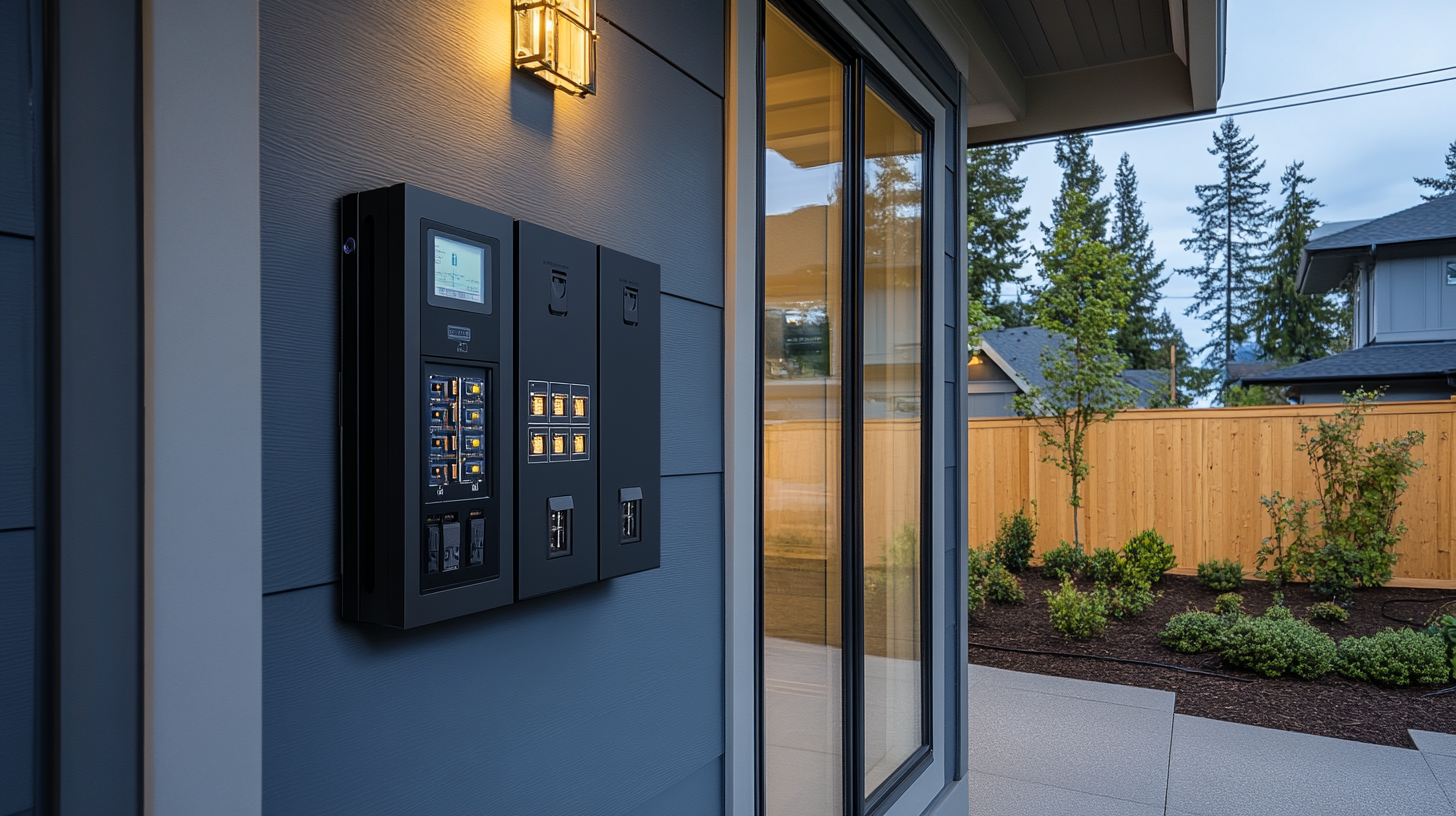
Our standard electrical panel for an apartment (≈ €2000) includes all necessary equipment for integrating engineering systems with unified app-based control.
3. Remote Management and Monitoring
Our smart home design documentation (≈ €10 per m²) enables a system where you control every aspect of the property via smartphone—from checking if windows are closed to adjusting climate and lighting from anywhere in the world.
4. Energy Efficiency and Savings
Smart dimmable lighting using DALI technology, automated heating, and air conditioning can reduce energy consumption by up to 30%. One of our clients recouped their smart home investment in just 1.5 years through utility savings alone!
5. Boosting Property Appeal
A smart home increases rental rates by 15-25% and reduces vacancy periods. Modern tenants are willing to pay more for comfort and cutting-edge technology.
How to Implement a Smart Home in Your Rental Business: A Step-by-Step Approach
Step 1: Professional Design
Start with design documentation (€10-15 per m²), including:
- Floor plans with color-coded wiring
- Electrical schematics for KNX, DALI, and other systems
- Equipment specifications
- Automation algorithms and scenarios
Step 2: Choosing the Right Equipment
For rental properties, I recommend reliable brands:
- Jung and Schneider Electric for central control
- Aqara Hub M1S and sensors for basic automation
- HDL or Zennio for climate management
- Satel-based security systems
Step 3: Installation and Configuration
A structured cabling system is the foundation of a reliable smart home. For turnkey installations, we lay separate lines for power and low-voltage systems and install modular electrical panels.
Step 4: Integration and Scenario Creation
We configure custom scenarios for different situations:
- "I'm Away" — automatically turns off lights, closes curtains, and activates energy-saving mode
- "New Tenant" — prepares the unit for move-in, adjusting climate settings
- "Leak Protection" — instant response to water emergencies
The Economics of a Smart Home for Landlords: A Case Study
In a recent project for a two-bedroom apartment (65 m²) in the city center, we implemented a €4800 smart home system, including:
- Design documentation (€650)
- Standard KNX electrical panel (€2000)
- Smart home equipment (€2150)
Results:
- 18% increase in rental rate (from €950 to €1121 per month)
- 70% reduction in vacancy periods
- €25 monthly savings on utilities
- Lower cleaning costs between tenants
- Full ROI in 27 months
Key Considerations for Rental Properties
- Multi-Level Access
Create different access levels: full for the owner, limited for tenants. Home Assistant allows flexible permission settings.
- Automation Scenarios
Develop user-friendly scenarios for everyday situations. For example, "Rental Mode" automatically prepares the unit for new tenants.
- Ease of Use
An intuitive interface is crucial. We configure voice control via Amazon Alexa or Yandex Alice for maximum convenience.
- Reliability and Redundancy
Use wired solutions for core functions and wireless tech (Wi-Fi, Zigbee, Z-Wave) for expanded capabilities.
- Remote Maintenance
Enable remote diagnostics and system updates without physical presence.
Integration with Rental Management Systems
Modern smart homes can integrate with booking and property management services. Our solutions are compatible with popular platforms, automating the entire process—from booking to reporting.
For example, a booking via a platform can automatically generate a temporary access code for a smart lock and adjust preferred climate and lighting settings.
Conclusion
A smart home in the rental business isn’t just a trend—it’s a tool for boosting efficiency and profitability. With proper design and implementation, the system pays for itself in 2-3 years and creates a competitive advantage in the rental market.
At Futurenity, we offer comprehensive solutions for rental businesses—from design documentation and standard electrical panels to full turnkey smart home installations. Our approach ensures the best balance of price and quality, guaranteeing reliability and convenience for both owners and tenants.
Investing in automation technology is a step toward creating a premium rental product that remains in demand even in a competitive market, ensuring stable income for years to come.