


28.06.2025
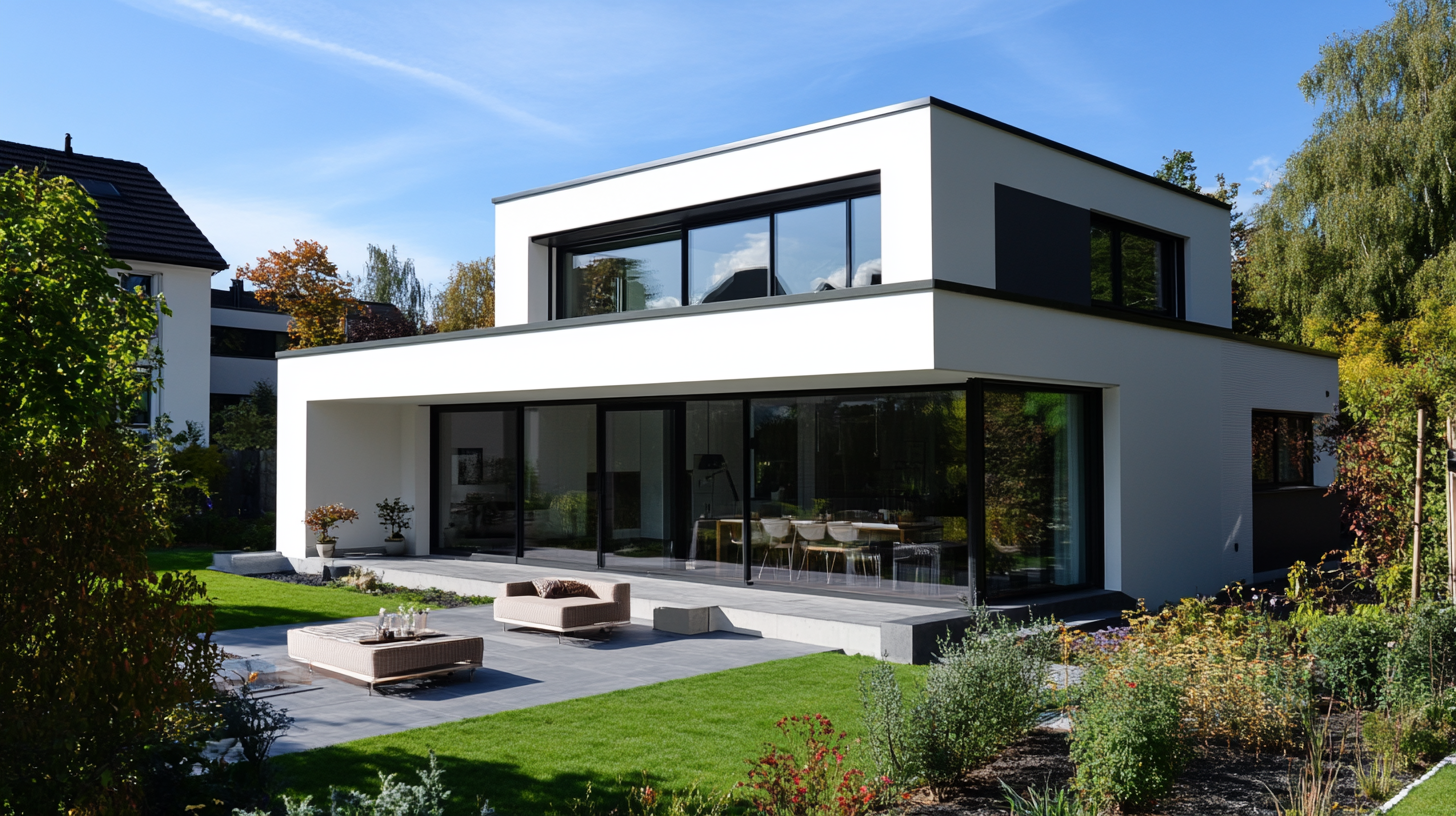
Modern automation systems require a well-considered approach to communication protocol selection.
Over 7+ years of designing smart home systems, I have encountered dozens of technologies, but only a few have proven their reliability in real-world conditions. Here’s a detailed review of key protocols, their advantages, and drawbacks.
Main Smart Home Protocols
KNX: The Gold Standard in Building Automation
KNX is a global standard for building automation since the 1990s. It’s not just a protocol but an entire ecosystem supporting wired buses, Ethernet, and radio frequencies. The ideal choice for new constructions and major renovations.
Why Professionals Choose KNX:
- Phenomenal reliability: if one module fails, the rest continue operating without issues
- Flexible integration of lighting, heating, and security into a unified system
- Scalability from apartments to business centers
- Premium brands: Jung, Schneider Electric, Hager, HDL, Zennio
In Real Projects, KNX Serves as the Foundation For:
- Integration with DALI lighting, addressable LED strips, RGBW LED strips
- Comprehensive climate control: thermostats, heat collectors, convectors
- Automation of curtains, blinds, and awnings
- One-click scenarios: from "Good Morning" to "Leaving Home"
Case Study:
In a 250 m² country house project, replacing scattered Wi-Fi devices with a KNX+DALI system saved the client 40% of the budget by eliminating redundant gateways and incompatible devices.
Cost:
- Design documentation from €700
- Equipment with installation from €5000
Zigbee: Wireless Automation for Mass Adoption
Zigbee is a protocol that has gained popularity thanks to smart sensors, lighting systems, and sockets. Ideal for quick deployment in existing spaces.
Key Advantages:
- Mesh network: devices reinforce each other's signals
- Support for up to 65,000 devices in a single network
- Compatibility with affordable brands: Aqara, Sonoff, TP-Link
- Easy integration via Aqara Hub M1S or Home Assistant
Things to Consider:
- Operation in the crowded 2.4 GHz band may cause interference
- Not all devices from different manufacturers work seamlessly together
Zigbee is an excellent choice for water leak sensors, motion detectors, and Wi-Fi smart sockets with energy monitoring. In one instance, a Zigbee-based system prevented flooding by detecting a leak before visible signs appeared.
Z-Wave: Reliable Wireless Automation
Z-Wave stands out among wireless protocols for its focus on stability and energy efficiency.
Why Consider Z-Wave:
- Operates at 868 MHz—less interference from Wi-Fi networks and microwaves
- High compatibility between devices from different manufacturers
- Low power consumption—batteries last for years
Best Use Cases:
- Security and access control systems
- Climate management via smart thermostats
- Lighting automation in existing spaces
Wi-Fi: Multimedia and Video Surveillance
Wi-Fi is the most common standard for cameras, multimedia, and modern appliances.
Advantages:
- High data transfer speeds—ideal for a couple of surveillance cameras
- Easy integration with existing networks
- Voice control support via Yandex Alice and other systems
Limitations:
- High power consumption—unsuitable for standalone sensors
- No mesh network (each device must be within router range)
- Risk of network overload with too many devices
Wi-Fi is perfect for a few cameras with person/vehicle detection, voice-controlled smart speakers, and modern appliances.
Bluetooth Mesh: A New Era in Automation
Bluetooth Mesh is a relatively new technology enabling reliable Bluetooth device networks.
Key Features:
- Low power consumption
- Mesh architecture for extended coverage
- Good compatibility with mobile devices
Best Applications:
- Smart lighting systems
- Climate control
- Wireless audio systems
Turnkey Smart Home Solutions from Futurenity
Our company offers comprehensive automation solutions for residential and commercial properties:
- Design documentation from €700 (≈ €10/m² with a design project)
- Standard KNX-based electrical panels from €2000 (apartments from €2000, houses from €4000)
- Full turnkey installation from €15,000
- Certified equipment from Jung, Schneider Electric, Hager, HDL, Aqara, Sonoff, TP-Link, Zennio
- End-to-end automation: lighting, climate, security, multimedia
What Sets Us Apart:
- Team of KNX, DALI, Zigbee, and Z-Wave certified specialists
- Only trusted brands with guaranteed compatibility
- Technical support at every stage—from design to operation
- Up to 3-year warranty on equipment, 2 years on installation
Over the past year, we’ve completed 150+ projects, each delivering a reliable and intuitive system for owners. Our expertise in complex integrations helps clients save up to 40% on procurement and installation through precise planning.
For a Detailed Consultation and Project Estimate, Contact Us:
- Phone: +371 26446999
- Email: [email protected]
- Website: futurenity.com
Frequently Asked Questions
Which Protocol Is Best for a New Home?
For new construction, KNX is optimal—a reliable wired system with extensive integration capabilities and a long lifespan. It’s an investment that pays off through energy efficiency, convenience, and no need for upgrades for 15-20 years.
What’s the Cost of Basic Automation?
The minimum budget for equipment and installation starts at €5000 for a system managing lighting, climate, and basic security. Costs depend on property size, automation zones, and chosen equipment.
Can the System Be Expanded Gradually?
Yes, with proper design, the system scales easily. We future-proof projects to avoid wall modifications or rewiring. This is especially relevant for KNX, where you can start with basic controls and add features over time.
How Long Does Installation Take?
A standard project takes 5-12 months from design to handover. Stages include: design documentation (3-8 weeks), equipment delivery (3-4 weeks), installation and commissioning (4-6 weeks). Complex projects may take longer.
Do You Provide a Warranty?
Yes, we offer up to 3 years on equipment and 2 years on installation. We also provide system maintenance and prompt technical support.
Can Existing Devices Be Integrated into the New System?
In most cases—yes. Modern smart home systems allow multi-protocol integration. Our experience shows that up to 40% of existing devices can be incorporated, especially those supporting open protocols.